Visiting the Red River Gorge in the winter is magical, with quiet trails, frosty cliffs, and cozy cabins. Packing for Gorge in the winter, however, can take some planning. Temperatures can swing from chilly mornings to mild afternoons, trail conditions can vary from dry to icy, and one day can feel like a day in the tundra while the next can feel like a cool day in autumn. This guide covers everything you need to stay warm, safe, and comfortable on your winter adventures.
Clothing Essentials:
Layering is key! You will want to stay warm while hiking but also have the freedom to add and remove layers as needed to be flexible to any temperature changes.
- Thermal base layers- these are important to have for top and bottom layers
- Fleece or Mid-layer jacket
- Insulated puff jacket
- Waterproof shell or rain jacket
- Gloves, knit hat, and neck gear
- Comfortable cabin clothing- grab long sleeve shirts, a sweatshirt or two, and t-shirts for flexibility
Footwear:
Winter trails can be muddy, slick, or icy, so you will want to prepare for any outcome.
- Waterproof hiking boots- it’s important to have boots with a good tread
- Micro spikes or trail crampons- if you have them to prepare for any icy or snowy trails
- Warm hiking socks- and don’t forget to bring backups in case the ones you have get wet on the trail
- Slip-on or comfortable shoes- for after the hike, that you can easily get into after hiking, at the cabin, and for any other fun you may have planned, like shopping or going out for dinner.
Gear for the Trails:
Stay prepared for shifting terrains and shorter daylight hours.
- Daypack with chest strap- to carry supplies and water while on the trail
- Headlamp or flashlight- if you’re interested in hiking in the afternoon or at sunset
- Refillable water bottle or hydration pack- even for small hikes, grabbing water is important in dry, cold conditions
- Trail map (preferably) or downloadable offline map- make sure to have a version of the map of where you’re going that you don’t need internet to access. A physical map is preferable, just in case your phone loses battery on the hike.
- Trekking poles- handy on icy and muddy walkways and rocky areas.
- Snacks that don’t freeze- this is something that can easily be forgotten, but when you’re out on the trail and in need of a snack, it’s nice to have something that won’t freeze. Some ideas are nuts, jerky, or granola bars.
- Portable phone charger and cord- if your phone is notorious for losing battery quickly, if you’re planning a long hike, or for just-in-case scenarios.
Safety and Comfort Items:
- Emergency blanket
- Small first-aid kit
- Hand warmers
- Whistle and pepper spray
- Pocketknife or multi-tool
- Fire starter kit- for emergencies
- Waterproof gear bag
Cabin Essentials:
You might want to think about bringing these for the best cabin experience.
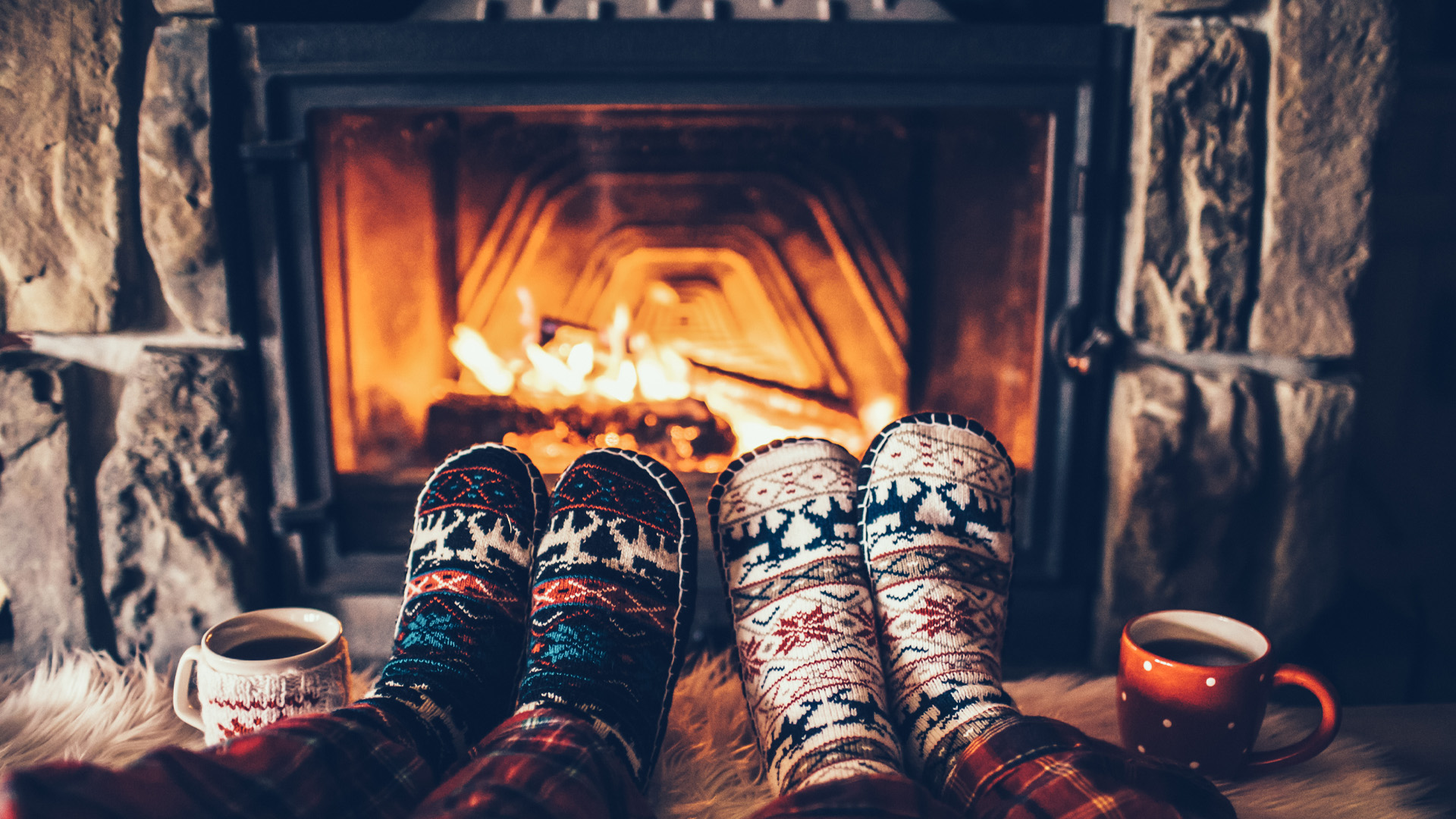
- Slippers or cabin socks
- Firewood and fire starters- if your cabin has a fireplace
- Board games or cards
- A good book
- Hot chocolate or your favorite cozy drink
- Bathing suit- if your cabin has a hot tub
- Chargers for all of your devices
Food and Cooking:
- Groceries for the length of your stay- make sure to look when the stores close ahead of time!
- Easy-to-make meals- especially for meals after a hike, and you don’t want to put too much effort into cooking
- Spices and oils- in case the cabin doesn’t have something you want for your meal
- Reusable bags- for leftovers you want to bring with you
- S’mores ingredients- if your cabin has a firepit
More Comfort Options to Bring:
- Cozy blanket to take hiking
- Thermos for warm drinks on the trail
- Compact picnic setup
Final Tips for December
- Check the weather the day or two before you arrive. Temperatures can vary, and this can help you stay prepared and adjust what you need to bring.
- Let someone know you are hiking. Call service and the internet can be inconsistent.
- Start hikes early. Sunsets come fast during the winter, and visibility can vary.
- Pack extra water. Dehydration can happen even in the cold, especially in drier conditions.